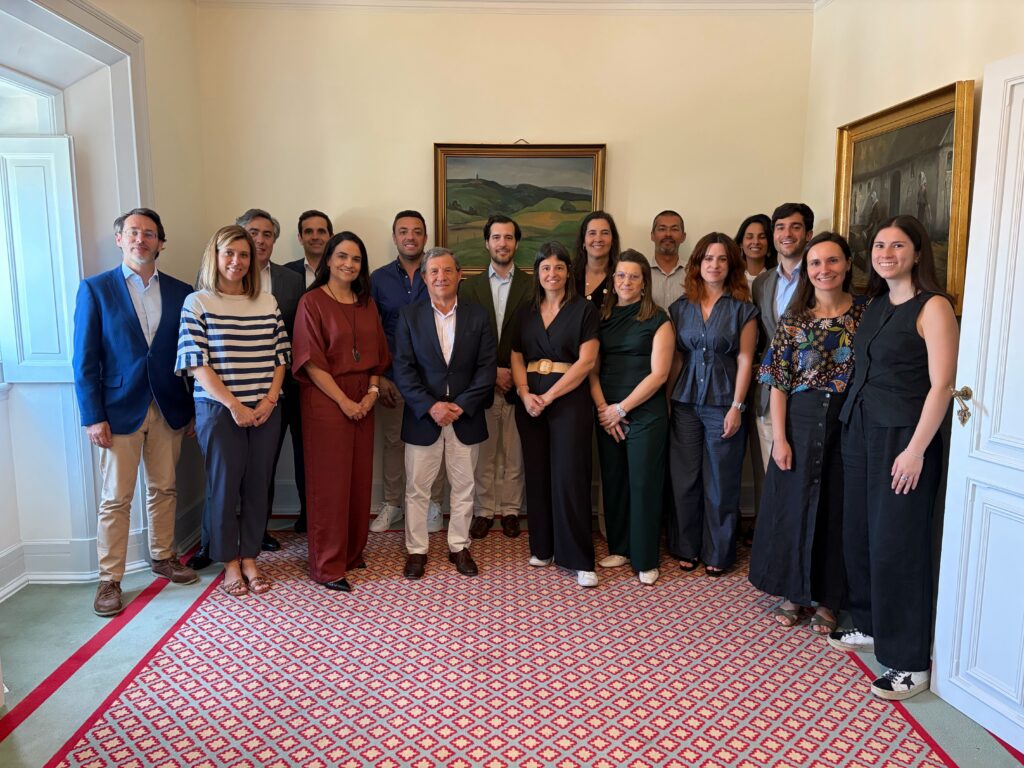
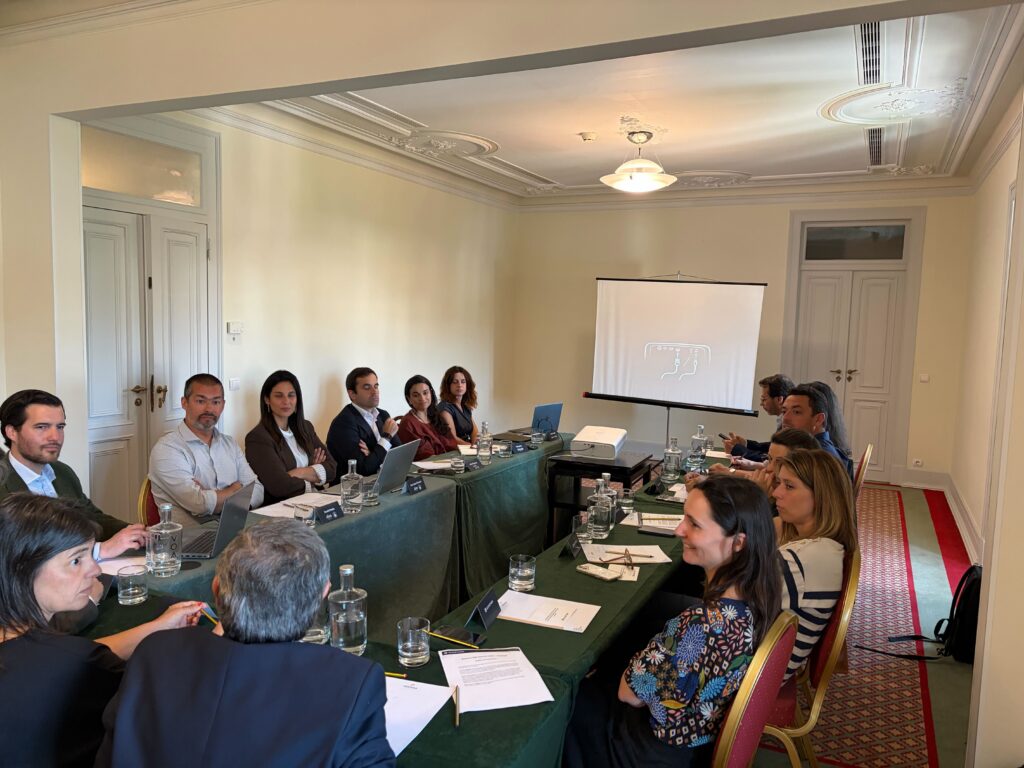
On May 27th, the ESG Summit Portugal 2026 brought together sustainability leaders from across Portugal’s hospitality sector to exchange perspectives on some of the industry’s most pressing challenges and opportunities. The event created a collaborative space to discuss ESG strategy, sustainability reporting, operational efficiency, and the evolving expectations shaping the future of responsible hospitality.
The summit convened representatives from leading hotel groups encouraging the exchange of both on-the-ground experience and strategic perspectives. A highlight of the discussion was the contribution from the Associação da Hotelaria de Portugal, represented by Joana Castro Caldas, who offered valuable insights from an institutional standpoint and reinforced the importance of collective action in advancing sustainability across the sector.
PARTICIPATING HOTEL GROUPS
The summit brought together sustainability leaders from nine prominent hotel groups in the region:
- Pestana Hotel Group
- Mafalda Brilhante, Director of Sustainability & Impact
- Luís Castanheira Lopes, Director of the Pestana Group and President of Pousadas de Portugal
- Marta Castelão Costa, Project Manager
- Minor Hotels – Telma Rio, Sustainability Manager PT
- Vila Galé Hotéis – Pedro Azeitona, Quality, Environment and Safety Engineer
- Highgate – Francisco HC Santos, Head of Sustainability
- Discovery Hotel Management – Ana Mendonça, ESG Manager
- AHM (Ace Hospitality Management) & Mercan Properties
- Ana Luisa Oliveira, Sustainability Specialist
- David Gaitas Melo, Asset Manager Coordinator
- Hoti Hoteis – Fernando Amorim, Sustainability Responsible
- Lisbon Heritage Hotels – Ana Rodrigues, Marketing and Branding strategy Manager
- M’AR De AR Hotels – João Patricio, Chief Operating Officer
Each participant shared real-world strategies for implementing ESG initiatives within their portfolios, offering practical insights into data management and day-to-day operational sustainability efforts. The discussion moved beyond high-level commitments, focusing instead on tangible actions—ranging from energy and water efficiency measures to the integration of sustainability into core business decision-making.
BENCHMARK INSIGHTS
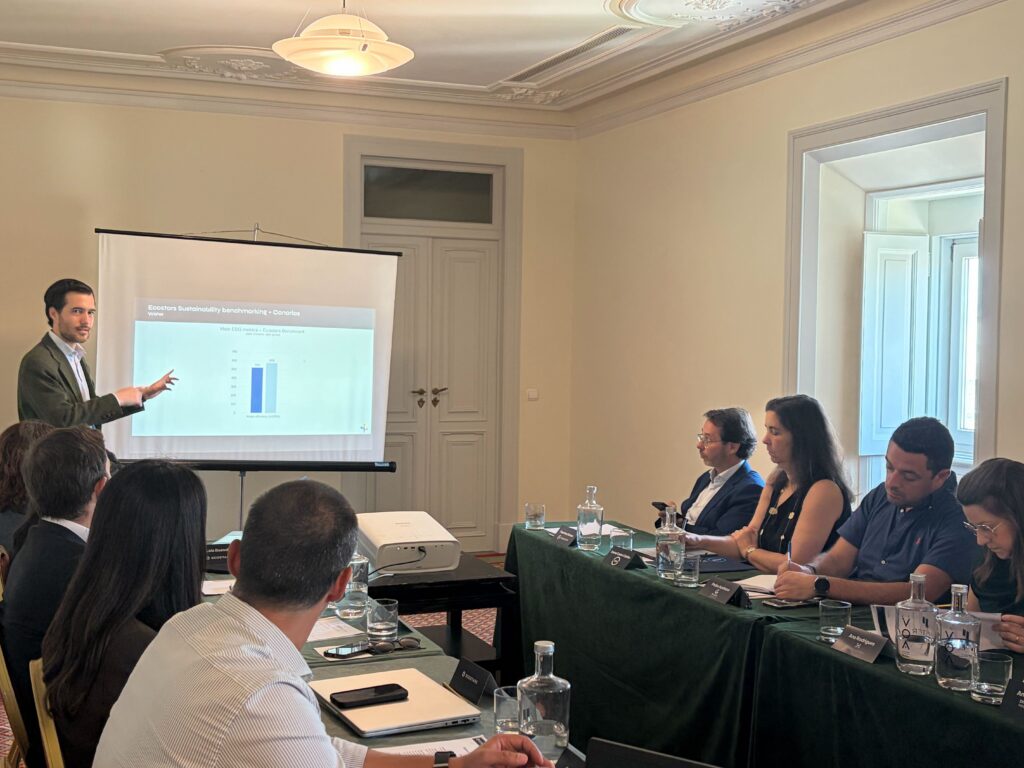
One of the highlights of the ESG Summit Portugal was the presentation of Ecostars’ benchmark analysis, comparing the sustainability performance of Portuguese hotel chains with their European peers.
The analysis provided valuable insights into how Portuguese hospitality groups are progressing on their sustainability journey and where opportunities remain to further strengthen their ESG performance.
The findings revealed that Portuguese hotel groups are making significant strides in sustainability, reflecting the industry’s operational performance and environmental stewardship. The discussion emphasized that while regulatory requirements continue to evolve, sustainability is increasingly becoming a strategic business priority driven by operational efficiency, investor expectations, and changing guest preferences.
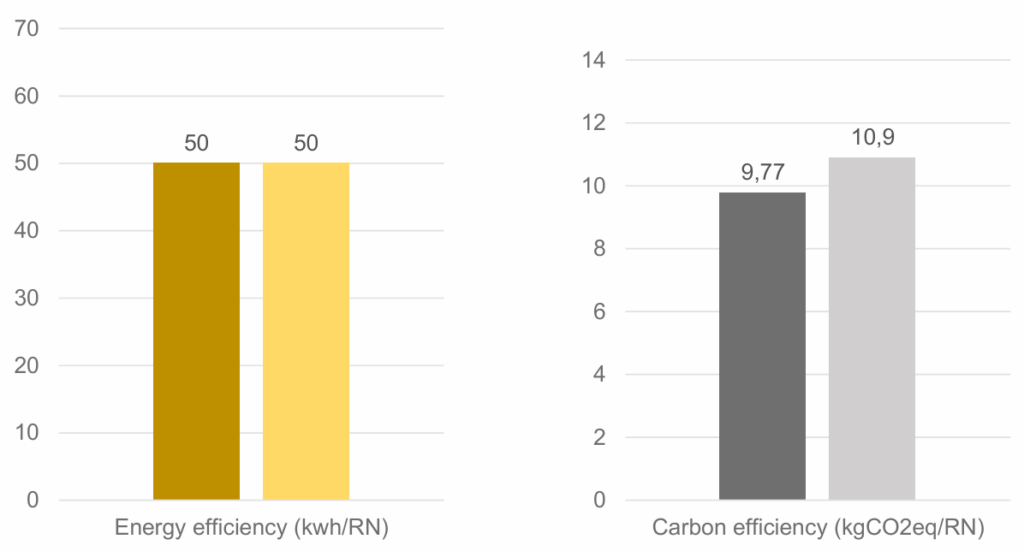
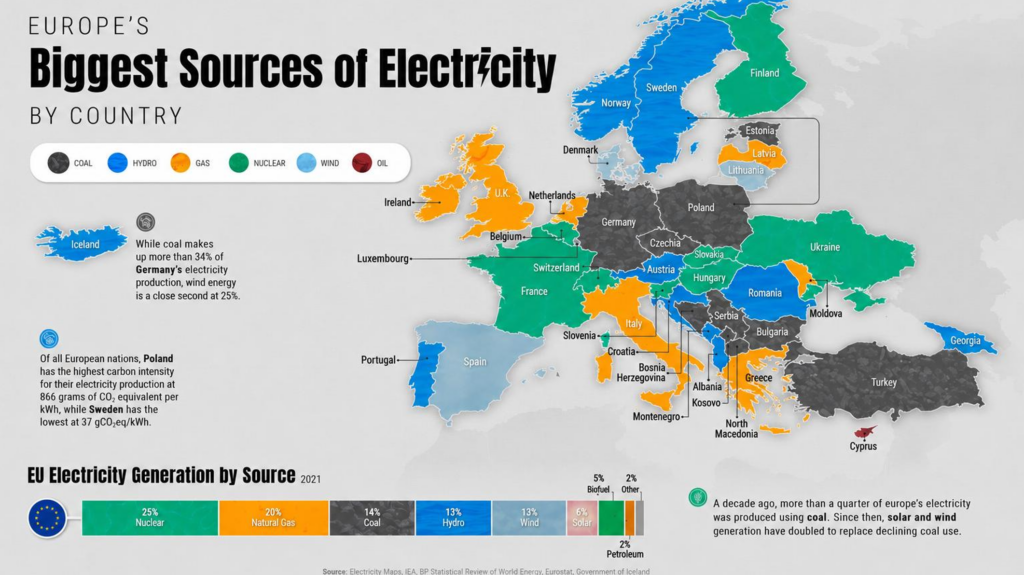
One of the most notable findings from the benchmark analysis was that Portuguese hotel chains recorded similar energy consumption per room night (kWh/RN) to the European average, while generating approximately 10% lower CO₂ emissions per room night (see graphs below). This is largely due to Portugal’s renewable electricity mix, particularly its reliance on hydropower, which offers important carbon benefits while also highlighting the growing importance of water resource management.
Main ESG metrics – Ecostars Benchmark (dark: PT ; light: EU)
From an ESG standpoint, Portugal’s strong hydropower base is a major advantage because it contributes to a relatively low-carbon electricity mix. However, the sector faces increasing physical climate risks due to droughts and water scarcity. For Portuguese hotel chains and other businesses, this means that while Scope 2 emissions from electricity consumption may be lower than in many other countries, water-related climate resilience is becoming an increasingly important sustainability consideration.
Participants also explored how benchmarking can serve as a practical tool for continuous improvement. By measuring performance against industry peers, hotel groups can better identify strengths, uncover opportunities for optimization, and prioritize actions that deliver measurable environmental and business impact.
The session reinforced a key message shared throughout the summit: data-driven decision-making is essential for accelerating the hospitality sector’s sustainability transition. As reporting requirements become more sophisticated and stakeholder expectations continue to rise, reliable benchmarking will play an increasingly important role in helping hotel groups track progress and demonstrate their commitment to responsible hospitality.
CONCLUSIONS
The Ecostars ESG Summit Portugal 2026 highlighted the hospitality sector’s growing commitment to turning sustainability ambitions into measurable action. The discussions demonstrated that Portuguese hotel groups are not only advancing their ESG performance but are also benefiting from a national context that supports lower-carbon operations, while remaining mindful of emerging challenges such as water scarcity and climate resilience. Through the exchange of experiences, benchmark insights, and practical strategies, the summit demonstrated that the next phase of sustainability in hospitality will be defined not by commitments alone, but by the industry’s ability to translate data into measurable operational improvements while building resilience to emerging climate risks.
Ecostars remains committed to fostering these conversations and helping the hospitality sector in its transition towards more transparent, measurable, and impactful ESG practices.