
Senior leaders from IHCL, The Leela, Brij Hotels and Mahindra Holidays discuss decarbonisation, water stewardship and governance at Ecostars Forum in Mumbai, India.
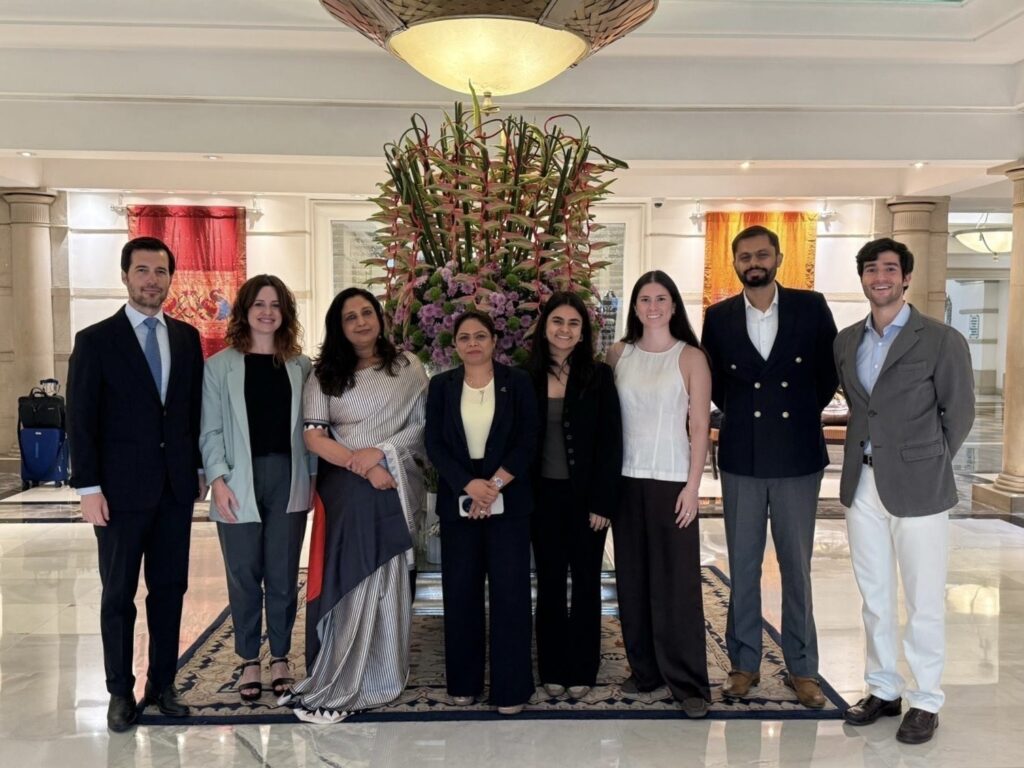
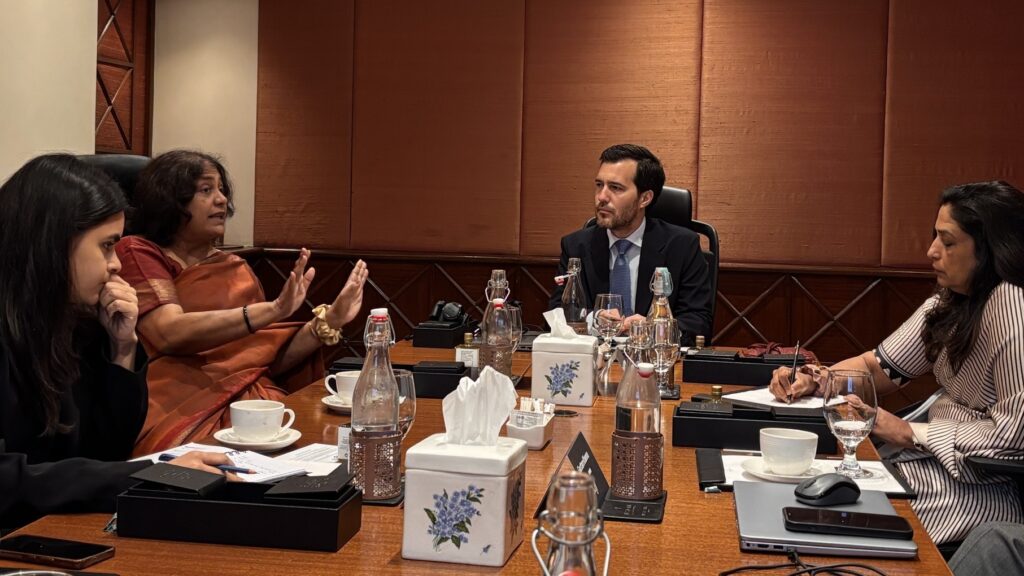
Sustainability and operations leaders from some of India’s most influential hospitality brands, including IHCL, The Leela Palaces, Hotels & Resorts, Brij Hotels and Mahindra Holidays & Resorts, came together at an exclusive industry forum hosted by Ecostars to examine the future of sustainability and ESG performance in Indian hospitality.
The closed-door discussion highlighted a growing consensus across the sector: sustainability is becoming a strategic business imperative, and meaningful progress will depend on data and analytics.
Hosted by Ecostars, the Sustainability Intelligence Platform dedicated exclusively to the hospitality sector, the event brought together some of the industry’s leading sustainability and operations experts featuring Sireesha Chandana, Vice President Learning & Development and Sustainability at IHCL; Shonan Sharma, Manager CSR & Sustainability at IHCL; Gauttam Khanna, Vice President of Operations at Brij Hotels; Priyanka Rajgadkar Gilhotra Associate Vice President & Head ESG at The Leela Palaces, Hotels & Resorts; and Bindu Jacob Mathew, Corporate Head Sustainability & Compliance at Mahindra Holidays & Resorts.
The gathering comes as Ecostars benchmarking highlights a significant opportunity for India’s hospitality sector to unlock millions of dollars in annual energy and water savings through greater resource efficiency and more robust ESG practices.
India emerges as a critical market for sustainable hospitality
India is rapidly emerging as a key market for sustainable hospitality, combining fast-growing clean energy and digital innovation with significant environmental challenges.
Energy management was identified as one of the strongest opportunities to reduce emissions and operating costs. Hotels are already implementing initiatives such as on-site renewable energy, battery storage, cold-room upgrades, building-efficiency improvements, and more efficient laundry operations.
Participants at the event noted that state-level electricity regulations and varying grid reliability require property-specific decarbonisation strategies. Although diesel generators remain common during outages, many operators are advancing electrification where feasible.
Water management is also a strategic priority. The greatest reduction opportunities often lie beyond guest rooms, with landscaping, gardens, pools, and irrigation accounting for a significant share of consumption. Hotels are therefore exploring ways to reduce outdoor water use while maintaining guest experience.
Delegates also emphasised the need for more granular property-level data. Improved measurement and visibility can help identify the highest-impact interventions and direct investment toward initiatives that deliver the greatest operational and environmental benefits.
Operational excellence and digitalization
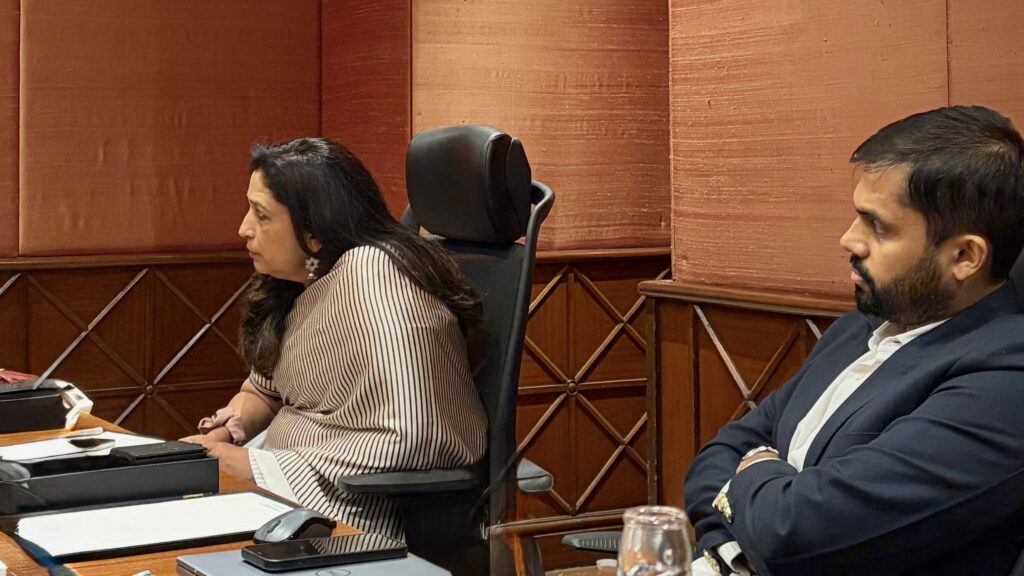
Hotel groups are increasingly looking for granular, segment-level performance data to support investment decisions and uncover opportunities for improvement at the property level. However, participants agreed that technology is only part of the solution. Data and benchmarking can help identify where action is needed, but sustained progress ultimately depends on strong operational discipline and execution.
The forum concluded with a shared view that the next phase of sustainability progress in Indian hospitality will depend on combining stronger operational practices with more consistent, comparable and actionable ESG data.
For Ecostars, the findings underscore a significant opportunity for the sector. With millions of dollars in potential resource savings available annually and increasing stakeholder expectations around sustainability performance, Indian hospitality operators are positioning ESG not only as an environmental responsibility but as a driver of long-term competitiveness and resilience.